
 1
1
 0
0
Chatroulette still gets traffic.
People still recognize the name.
It still promises the same basic thing that made random video chat addictive in the first place: instant access to strangers, zero setup, and the chance that the next click might actually be the one.
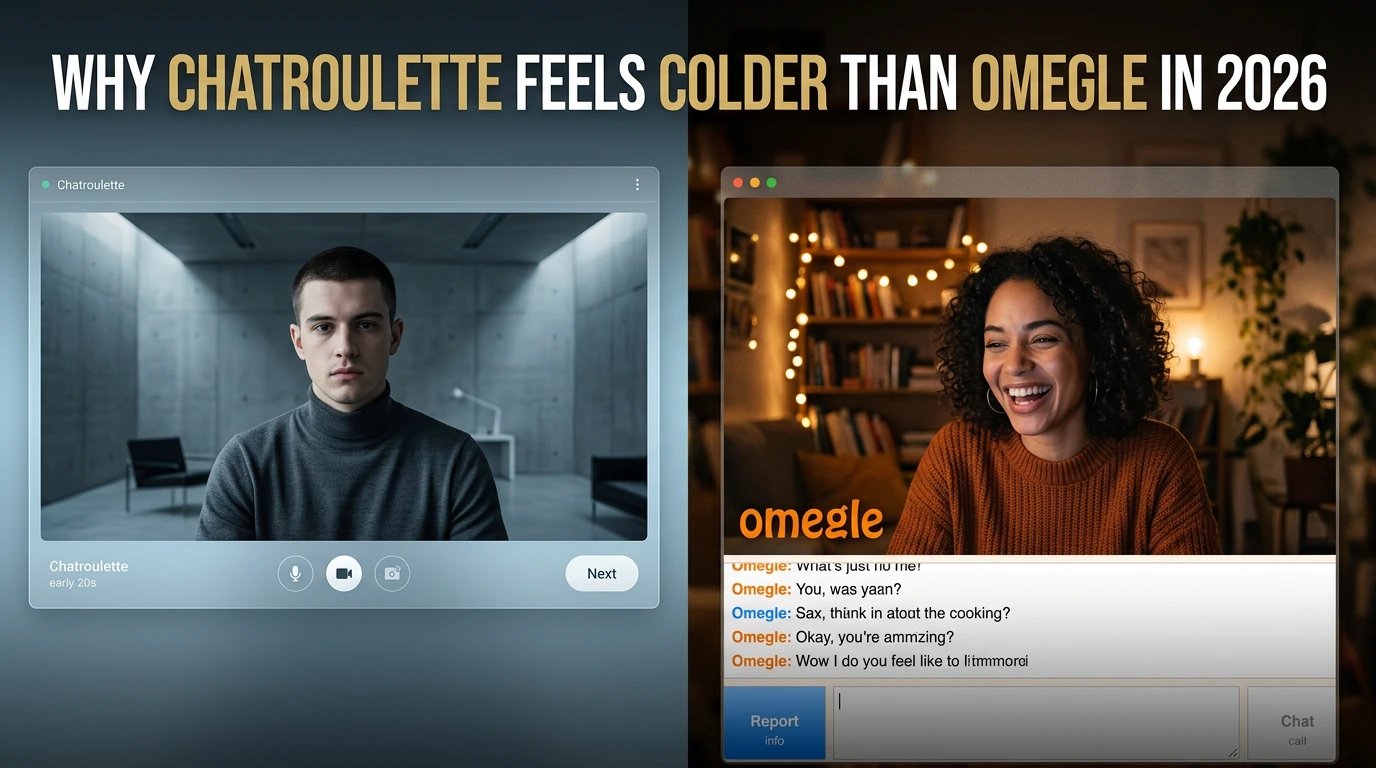
And yet, for a lot of users in 2026, Chatroulette feels colder than Omegle ever did.
Cleaner, maybe.
More stripped down, sure.
But colder.
Not because the interface is necessarily bad. Not because the users are necessarily worse. And not because nobody horny is there. It feels colder because the room temperature of a platform is about more than whether people show up. It’s about what kind of energy the platform rewards once they do.
Cold Doesn’t Mean Dead
Let’s be clear about that first.
Cold does not mean empty.
Cold does not mean useless.
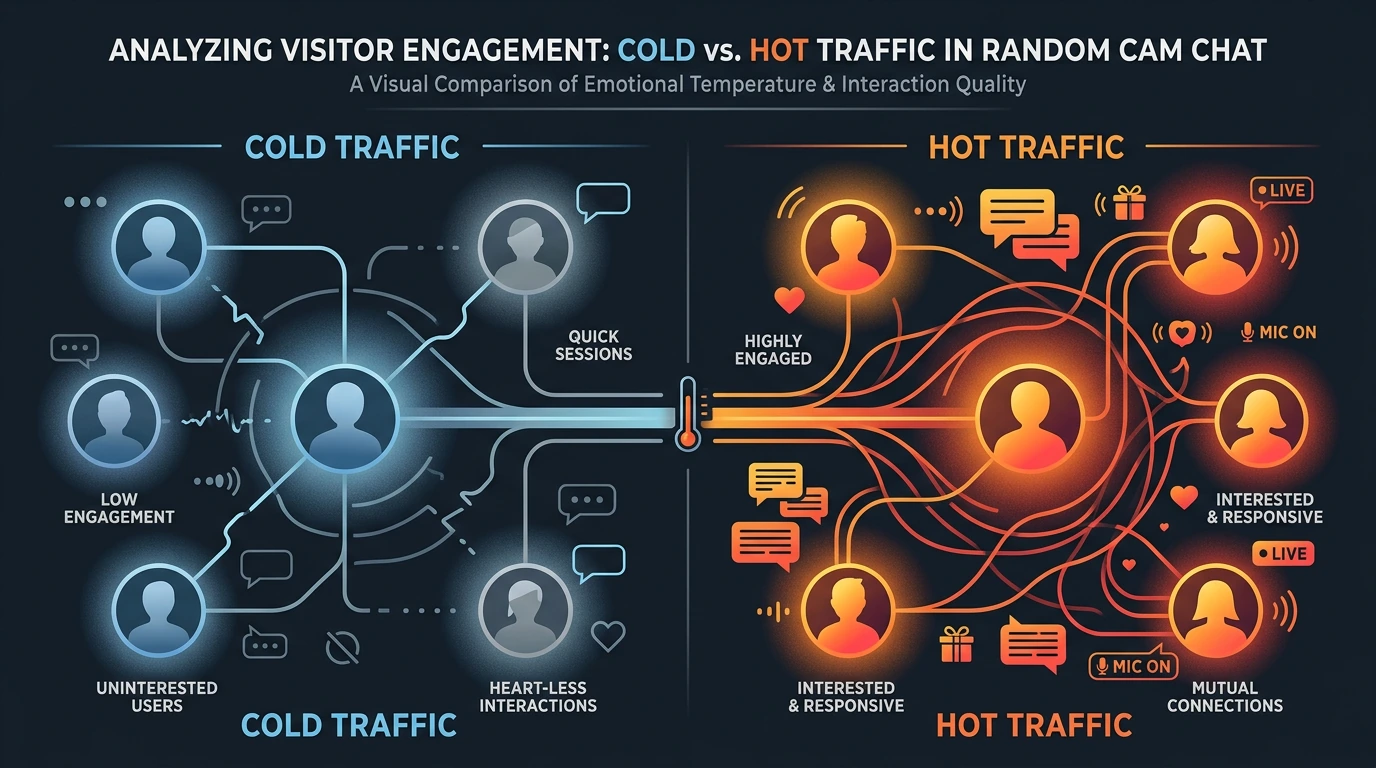
Cold means the room tends to feel more detached, more replaceable, and less willing to build tension before deciding whether to keep moving. It’s the sensation that every interaction is slightly thinner than it looked from the outside.
This matters because random video chat lives or dies on the quality of micro-moments. The technology can connect two people instantly, but connection itself is still slower, more fragile, and harder to fake. Even a general tech take like TechRadar’s point that voice and video can make conversations feel more honest gets at the core issue here: the medium can carry authenticity, but it doesn’t guarantee it. The structure of the room still decides how easy that authenticity is to sustain.
Omegle Was Messier, but It Often Felt More Alive
This is where a lot of people get uncomfortable, because it sounds like nostalgia.
It isn’t nostalgia. It’s texture.
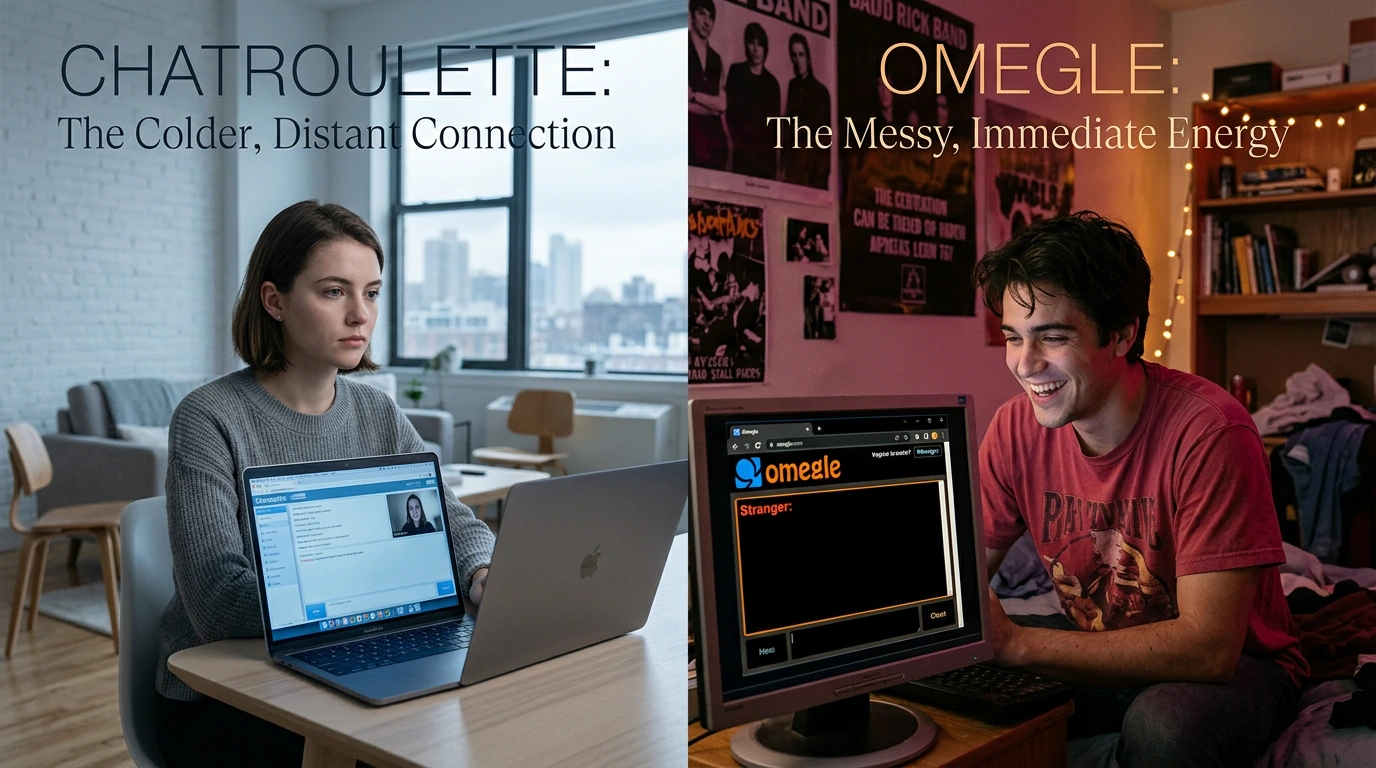
Adult Omegle, or the memory of it, carried more chaos and more risk. That’s obvious. But it also carried more volatility in a way that often made the room feel less managed and therefore more electrically alive. A weird interaction could become funny, sexual, awkward, fascinating, or intense without first having to pass through the same polished neutrality that colder platforms often default to.
On SlutOmegle, you can see this split in the content map itself. A piece like what real Omegle sex looks like in 2026 is basically describing a room with pulse. It’s not just about explicitness. It’s about heat. Compare that with a more standard Chatroulette review, and the difference becomes easier to name: Chatroulette can give you access, but Omegle-style environments often gave you stronger emotional voltage per room.
Chatroulette Rewards Motion More Than Build
That’s the real complaint underneath the “cold” label.
On a colder platform, the user behavior bends toward quick judgment, fast exits, and shorter attempts at chemistry. People test the surface and move on before the room has earned a second layer. A platform can be efficient and still encourage that kind of low-investment rhythm.
And once enough users adopt that rhythm, the whole room starts to feel thinner. Everyone becomes both chooser and inventory.
That doesn’t mean nobody has good chats there. It means the default emotional setting is more likely to be cautious, clipped, and easy to abandon.
There’s actually a useful parallel in a Refinery29 breakdown of flirting detection: people are much better at spotting lack of interest than noticing subtle signs of interest. On a colder platform, that asymmetry gets amplified. Users sense deadness fast, but they miss the quieter early signs that a room could become something, so they bail too soon.
The Vibe Difference, Mapped
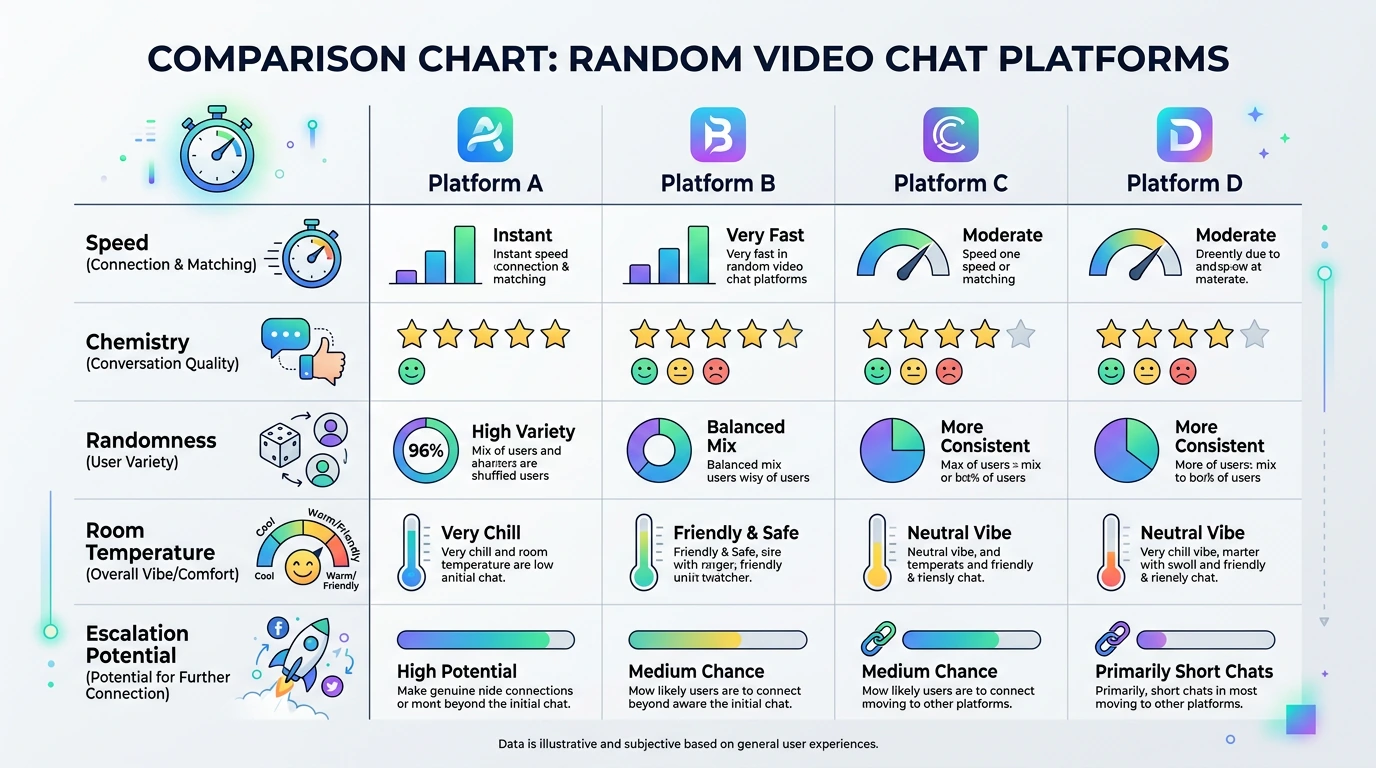
| Trait | Chatroulette | Adult Omegle-style rooms |
|---|---|---|
| Entry speed | Fast | Fast |
| First impression tone | Cooler, flatter | Messier, warmer |
| Room patience | Lower | Higher when the vibe catches |
| Escalation style | Abrupt or shallow | More chaotic but often more charged |
| Overall feeling | Detached efficiency | Unstable but more alive |
Why Some Users Still Prefer Chatroulette
Because cold has advantages.
Less intensity can mean less mess.
Less mess can mean less pressure.
And less pressure can be exactly what some people want on a given night.
Not every user is chasing the hottest room. Some want distance. Some want casual randomness without all the heat signatures that make adult Omegle-style spaces feel addictive. Cold platforms are often easier to sample in small doses because nothing insists that you stay inside the moment for long.
That’s also why a piece like is adult Omegle still worth it in 2026 matters. “Worth it” is not just about safety or explicitness or number of girls online. It’s about the kind of emotional labor a room asks from you — and the kind of reward it gives back.
So Why Does Chatroulette Feel Colder?
Because it often feels more transactional at the level of tone.
Because its rooms are easier to abandon before they mature.
Because its user rhythm bends toward quick filtering instead of slow ignition.
And because compared to messier Omegle-style adult spaces, that lower volatility can flatten the exact thing some users are chasing: not just access, but charge.
Final Take
Chatroulette feels colder than Omegle in 2026 because warmth in random chat has never come from interface alone.
It comes from how long the room can survive before people reduce each other to inventory.
Omegle-style spaces often felt hotter because they were less disciplined and more unstable.
Chatroulette feels colder because it is easier to sample, easier to judge, and easier to leave.
Sometimes that’s a feature.
Sometimes it’s exactly why the room never quite catches fire.